If you’re wondering what a hybrid car is, here’s the simple answer: a hybrid car uses both a gasoline engine and an electric motor to power the vehicle. It automatically switches between gas and electricity or combines both to improve fuel efficiency, reduce carbon emissions and lower fuel costs.
In simple terms, a hybrid is a smart blend of traditional gas technology and electric power.
At B Town Auto Sales, customers often ask:
- How do hybrid cars work?
- How does a hybrid car work in city traffic?
- Do hybrid cars need to be plugged in?
- Are they among the best cars good on gas in Canada?
- Are hybrid cars reliable long term?
These are important questions, especially when comparing gas vs hybrid vehicles or deciding whether a second hand hybrid car makes financial sense.
In this guide, we’ll clearly explain how auto hybrid cars perform in real Canadian driving conditions, battery life expectations, maintenance costs and whether a hybrid is the right fit for you. If you’re shopping for a hybrid car in Mississauga, understanding how these vehicles perform in city traffic and winter conditions is especially important.
Quick Answer
What Exactly Is A Hybrid Car And How Does It Function?
A hybrid combines an internal combustion engine with an electric motor and a battery and the vehicle’s computer automatically chooses the best mix of power for efficiency.
How Do Hybrid Cars Work?
To understand how hybrid cars work, think of a vehicle with two power sources: a gasoline engine and an electric motor powered by a hybrid battery pack. The vehicle’s computer system automatically decides which power source is most efficient at any moment.
A hybrid car carries:
- A fuel tank for gasoline
- A high-voltage battery
- An electric motor
- A power control unit
Most Hybrids Operate In Three Main Driving Situations:
Low Speeds / Gentle Cruising:
The electric motor usually powers the car. This reduces fuel use, lowers tailpipe emissions and makes the ride quieter.
Hard Acceleration / Highway Merging:
The gas engine and electric motor work together for stronger performance.
Steady Highway Cruising:
The gasoline engine runs in its most efficient operating range to save fuel.
This intelligent energy management system explains how a hybrid car works so efficiently. By reducing fuel consumption during low-speed driving and recovering energy during braking, hybrids often deliver 20–35% better fuel economy compared to similar gas-only vehicles.
That’s why many drivers consider a hybrid one of the most fuel-efficient cars in Canada.
Types Of Hybrid Systems: Parallel, Series, Mild And Plug-In Hybrid
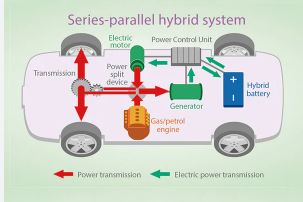
Not all hybrid vehicles are built the same. Understanding the system helps you choose the right hybrid car.
Parallel Hybrid (Most Common)
A parallel hybrid can power the wheels using:
- The gasoline engine
- The electric motor
- Or both together
This system is common in many modern auto hybrid cars.
Series Hybrid
The gasoline engine’s job in a series hybrid is to generate electricity rather than move the vehicle forward. Instead, it works as a generator that produces electricity. The electric motor then powers the vehicle.
This design offers a smoother and quieter ride.
Mild Hybrid
A mild hybrid uses a smaller electric motor to assist the gasoline engine but cannot drive on electricity alone. It improves fuel efficiency but functions differently from a full hybrid.
Plug-In Hybrid (PHEV)
A plug-in hybrid has a larger battery that allows longer electric-only driving before the gasoline engine turns on.
Do Hybrid Cars Need To Be Plugged In?
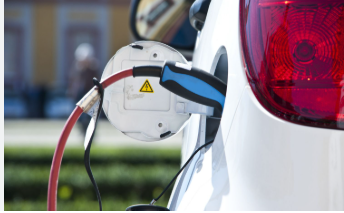
Many people wonder whether hybrid cars need to be plugged in. The answer depends on the type of hybrid.
Regular Hybrid (HEV) - No Plug Needed
A regular hybrid car, also called a Hybrid Electric Vehicle (HEV), does not require plugging in. It charges its battery using regenerative braking and energy from the engine.
The system:
- Captures energy while slowing down
- Stores it in the hybrid battery
- Uses it to assist the engine
Plug-In Hybrid (PHEV)
A plug-in hybrid can recharge while driving, but it also allows charging from:
- A 120-volt household outlet
- A Level 2 home charging station
This provides extended electric driving range before the gas engine activates.
Engine Braking Meaning In A Hybrid: What’s Actually Happening?
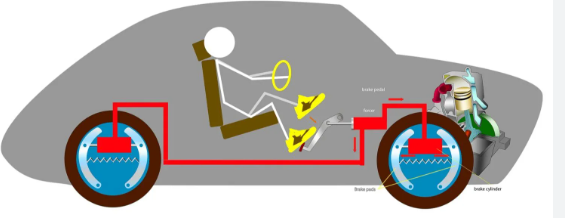
When you slow down, a hybrid car turns motion into electricity to recharge the battery.
Simple Engine Braking Meaning In Hybrid Terms:
- When you brake or coast downhill, the electric motor acts like a generator.
- It converts the car’s movement into electricity.
- That electricity flows back into the battery. This process is called regenerative braking.
Brake Blending (Why Braking Feels Normal)
A hybrid does not rely only on regenerative braking. The car’s computer uses regen first, then blends in traditional brakes (pads and rotors) when you need stronger stopping power.
Where Regenerative Braking Works Best
Regenerative braking works best in stop-and-go traffic, such as rush hour, school zones and city driving.
Are Hybrid Cars Good On Gas?
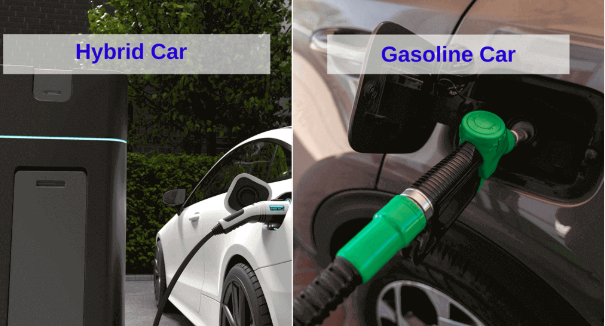
Yes, many hybrid cars deliver better fuel economy than similar gas-only vehicles.
Why A Hybrid Often Wins For Fuel Savings:
- Less idling waste (the engine can shut off at stops)
- The electric motor helps during low-speed driving
- Regenerative braking recovers energy that gas cars lose as heat
This is a major reason Canadians choose a hybrid car when comparing gas vs hybrid.
Gas Vs Hybrid: What’s Different For Owners?
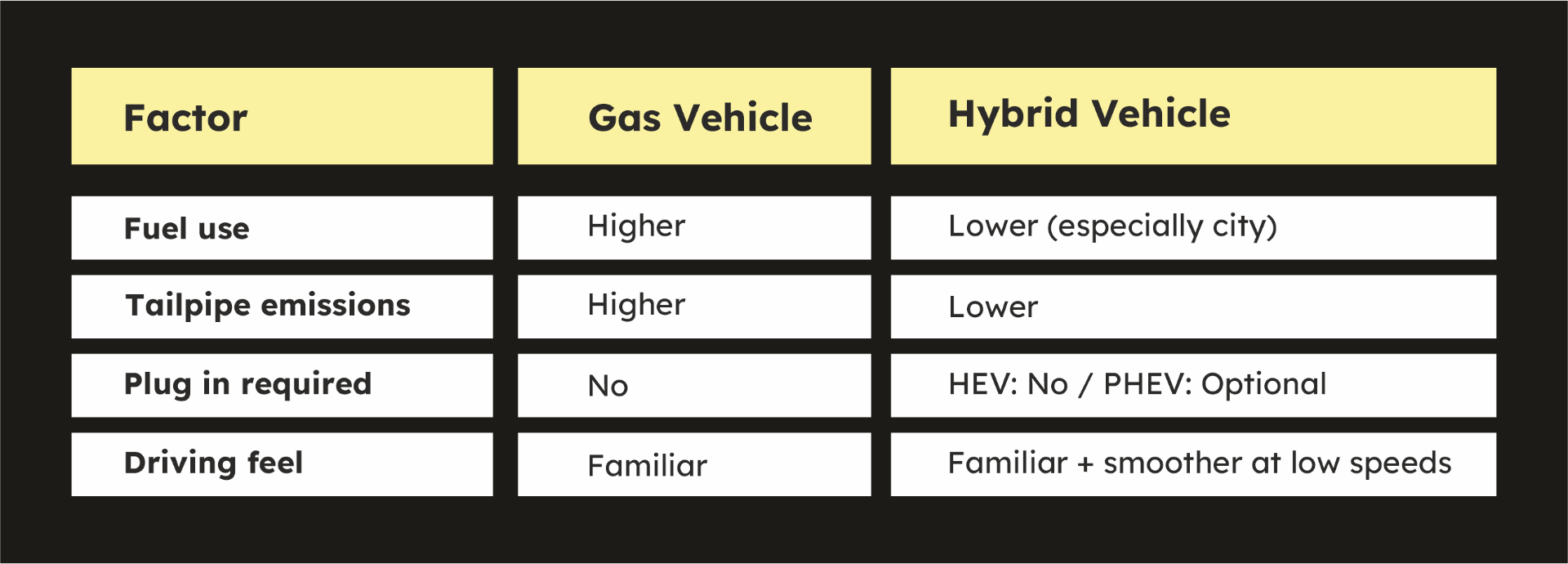
Hybrid vs Electric Car: What’s the Difference?
When comparing hybrid vs electric vehicles:
Hybrid:
- Uses gas and electricity
- No range anxiety
- Refuels at gas stations
Electric:
- Runs only on electricity
- Requires charging infrastructure
- Produces zero tailpipe emissions
For many Canadians, a hybrid offers a balanced transition toward electric driving without fully relying on charging stations.
How Does A Continuously Variable Transmission Work In Many Hybrids?
A CVT changes gear ratios smoothly instead of shifting between fixed gears like a traditional transmission.
In many hybrid cars, the transmission works a little differently. To understand how a continuously variable transmission works, you need to know that some hybrids use electric motor-generators to help control power flow. This system can behave like a CVT and is often called an eCVT.
When people ask how a hybrid car works, the transmission plays a big role. The electric motor and gas engine work together to deliver power in the smoothest and most efficient way possible.
For most drivers, this means:
- Smooth acceleration without noticeable gear shifts
- More efficient engine performance
- Less “gear hunting” while driving in traffic
- Better fuel economy compared to many gas-only vehicles
This design helps explain how hybrid cars work so efficiently, especially in stop-and-go Canadian traffic. Instead of shifting up and down through gears, the system adjusts power seamlessly. That’s one reason many drivers prefer a hybrid car over traditional gas vehicles.
Best Hybrid Cars And SUVs: How To Choose In Canada
Instead of chasing one “perfect” model, choose based on your lifestyle and daily driving needs. For drivers in Mississauga and the Greater Toronto Area, winter traction, fuel efficiency, and total cost of ownership are often top priorities.
Best Rated Hybrid Sedans (For Commuters)
Look for:
- excellent fuel economy
- reliable winter starts
- heated features (seats/steering wheel) for comfort
Best Hybrid Cars And SUVs (For Families)
Prioritize:
- cargo space
- AWD availability (helpful in snow)
- rear-seat room for car seats and gear
Best Hybrid Plug In SUV (For Short Daily Trips)
If most trips are short and you can plug in at home, a PHEV can handle more errands on electricity alone before using gas.
Best Hybrid Cars Canada Shoppers Often Want
Canadian shoppers commonly prioritize:
- fuel savings
- winter confidence
- total cost of ownership (insurance, maintenance, fuel)
Hybrid Battery Life And Maintenance Costs
One of the biggest concerns about hybrid cars is battery life.
Most hybrid batteries are designed to last 8–10 years or longer and many manufacturers provide warranties up to 8 years or 160,000 km in Canada.
Hybrid maintenance costs are often similar to gas vehicles because:
- The engine runs less frequently
- Brake wear may be reduced due to regenerative braking
- The transmission system has fewer traditional gear components
Battery replacement can be expensive, but failure rates are low, especially in well-maintained vehicles.
This makes a second hand hybrid car a more reliable option than many buyers assume.
Buying A Second Hand Hybrid Car: What To Check
A second hand hybrid car can be a smart buy when you want efficiency without the new-car price tag.
Checklist to shop confidently:
- Battery health (ask for a hybrid system scan if available)
- Service records (regular oil changes still matter)
- Braking feel (regen + brake blending should feel smooth)
- Highway test drive (listen for unusual drivetrain noise)
COST OF OWNERSHIP
- Fuel savings
- Insurance consideration
- Resale value
At B Town Auto Sales, we recommend test-driving a few auto hybrid cars back-to-back, your driving preference becomes obvious quickly.
Ready to Drive a Hybrid?
Discover our selection of reliable hybrid cars, including fuel-efficient sedans and spacious SUVs that are perfect for Canadian roads.
Connect Now
Conclusion: Should You Buy A Hybrid Car In Canada?
If you want a vehicle that’s easier on fuel, smoother in city driving and a solid step toward lower emissions without going fully electric, a hybrid car is a strong choice. And if you’re shopping smart, a second hand hybrid car can deliver excellent value.
If you’re comparing best hybrid cars and SUVs or exploring auto hybrid cars in your area, B Town Auto Sales can help you pick a model that fits your commute, budget and Canadian weather needs.
Not Sure Which Hybrid Is Right For You?
Our team at B Town Auto Sales can help you compare gas vs hybrid, explain battery life and find the most fuel-efficient option for your budget.
Get expert advice today.
Frequently Asked Questions About Hybrid Cars
1. What Happens If You Run Out Of Gas In A Hybrid?
If you run out of gas in a hybrid car, the vehicle will eventually stop, even though it has a battery. Most hybrid cars are not designed to run for long distances on battery power alone.
In many models, once the fuel tank is empty:
- The gasoline engine shuts off
- The system may limit power
- A dashboard warning light will appear
- The vehicle can enter “limp mode”
If this happens, it’s important to refuel as soon as possible.
2. How Much Does It Cost To Replace A Hybrid Battery?
Hybrid battery replacement costs vary depending on the model and battery size.
In Canada, replacement can range from:
- $2,000 to $8,000+, depending on the vehicle
- Labour and warranty coverage may affect the final cost
3. At What Speed Do Hybrid Cars Switch From Battery Power To Petrol Power?
Hybrid cars do not switch at one exact speed. Instead, they change power sources based on driving conditions.
In general:
The vehicle’s computer system constantly adjusts power for the best fuel efficiency. This automatic switching is a key part of how hybrid cars work.
4. How Do Hybrid Cars Work In Everyday Driving?
To put it simply, hybrid cars use both a gasoline engine and an electric motor.
Here’s how hybrid cars work in real life:
- The electric motor handles low-speed driving.
- The gas engine assists during acceleration.
- Regenerative braking recharges the battery when you slow down.
This system improves fuel economy and reduces emissions compared to traditional gas vehicles.
5. Are Hybrid Cars Expensive Compared To Regular Cars?
Hybrid cars can sometimes cost more upfront than gas-only vehicles. When comparing gas vs hybrid, it’s important to look at the total cost of ownership, not just the sticker price.
At B Town Auto Sales, we carry both affordable and premium hybrid options, including mid size SUVs and family-friendly models, so buyers can choose based on budget and lifestyle.
6. What Do Hybrid Dashboard Warning Lights Mean?
Hybrid vehicles have standard warning lights plus a few specific to hybrid systems.
Common alerts include:
- Hybrid system warning light
- Battery warning light
- Engine check light
If a dashboard warning light appears, it doesn’t always mean something serious. It may indicate low fuel, battery charging status or system diagnostics. However, it’s best to have it checked quickly.
7. Are Hybrid Midsize SUVs A Good Option For Families In Canada?
Yes, hybrid midsize SUVs are becoming one of the most popular choices for Canadian families. Many drivers looking for the best hybrid cars and SUVs choose mid size models because they balance comfort, cargo space and lower fuel costs.